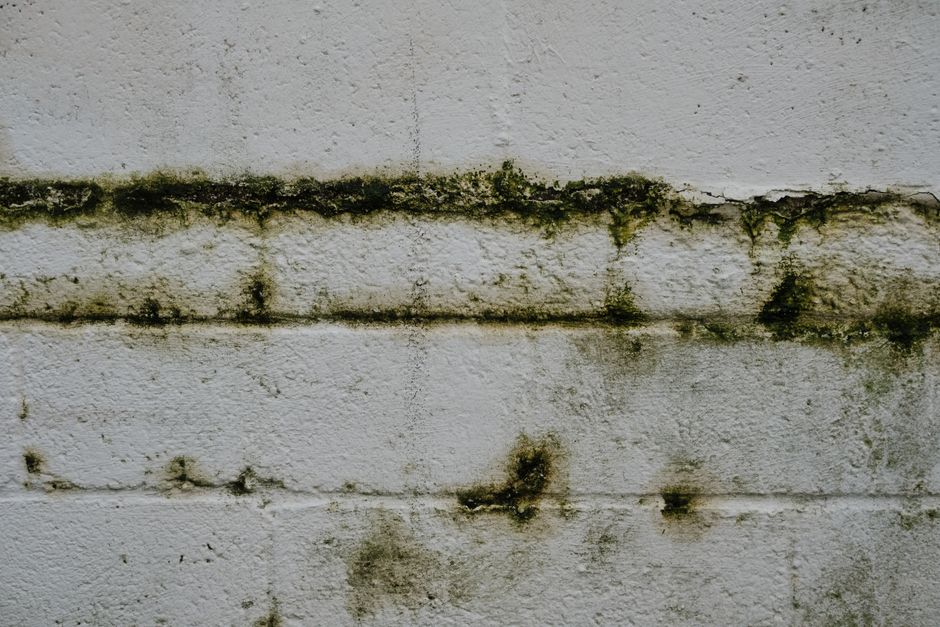
Air quality and mold testing Portland residents rely on is crucial for identifying hidden mold growth and assessing indoor air contaminants that pose health risks. Poor air quality can trigger allergies, respiratory issues, and worsen chronic conditions, especially in Portland's damp climate where mold spores thrive.
Homeowners noticing musty odors, unexplained health symptoms, or visible mold patches should consider professional testing to detect airborne fungal spores and harmful volatile organic compounds. Understanding the scope of air quality and mold testing Portland offers helps residents take informed steps toward healthy indoor environments.
Reliable testing services typically use advanced sampling methods to evaluate air and surface contamination, providing data that guides effective remediation. Without proper assessment, hidden mold infestations can worsen structural damage and compromise indoor safety.
Portland homeowners should prioritize thorough inspections to maintain safe living spaces amid the region's unique moisture challenges.
Why It Matters in Portland
Portland's unique climate, characterized by frequent rainfall and high humidity, creates ideal conditions for hidden mold growth and compromised air quality. Residents should understand the risks of untreated mold, which can lead to respiratory issues and structural damage.
Professional mold testing helps identify contamination early, preventing costly repairs and health complications. Given Portland's older housing stock and damp environment, regular inspections are especially critical to maintain safe indoor environments and protect property value.
Understanding Portland’s Unique Air Quality Challenges and Mold Risks
Portland, located in the Pacific Northwest, experiences a distinctive combination of climate and urban factors that contribute to air quality challenges and elevated mold growth risks. The region's high humidity and frequent rainfall create ideal conditions for moisture accumulation, which can lead to hidden mold infestations within indoor environments.
This persistent dampness, combined with Portland’s dense urban areas, often results in increased indoor air pollutants and potential respiratory issues for residents.
The Pacific Northwest’s climate significantly impacts how mold spores proliferate and affect home air quality. Portland’s long rainy season means that moisture intrusion through walls, roofs, and basements is a common concern.
Without proper ventilation and moisture control, this can cause structural damage and exacerbate mold growth, posing health risks to occupants.
Key Factors Influencing Portland’s Air Quality and Mold Risks
- High humidity levels: Portland averages over 70% humidity for much of the year, fostering environments where mold thrives.
- Frequent rainfall: The city’s annual precipitation exceeds 40 inches, increasing the likelihood of water intrusion and persistent dampness.
- Urban density: Close proximity of buildings can reduce airflow, trapping moisture indoors and elevating pollutant concentrations.
- Seasonal temperature fluctuations: Cooler temperatures in fall and winter encourage condensation inside homes, promoting hidden mold growth.
Homeowners looking to maintain safe indoor environments in Portland should be aware of these factors when considering mold prevention strategies. Professional assessment often becomes necessary to identify hidden mold and mitigate risks associated with Portland’s unique air quality challenges.
The Importance of Professional Air Quality and Mold Testing in Portland Homes
In Portland homes, maintaining optimal indoor air quality is essential due to the city’s climate, which fosters persistent moisture accumulation. Professional air quality and mold testing services play a crucial role in detecting hidden mold and airborne pollutants that often evade visual inspection.
Without expert analysis, residents risk prolonged exposure to mold spores and other contaminants that compromise health and property.
Mold spores are microscopic and can infiltrate living spaces unnoticed, increasing health risks such as respiratory issues, allergies, and other chronic conditions. Professional testing identifies these invisible threats through advanced methods like air sampling and surface analysis, enabling targeted remediation efforts that protect occupants and preserve structural integrity.
Key Benefits of Professional Testing in Portland Homes
- Accurate detection of concealed mold colonies and airborne toxins
- Comprehensive assessment of indoor air pollutants affecting respiratory health
- Data-driven recommendations for effective mold mitigation strategies
- Prevention of long-term damage to building materials caused by unchecked mold growth
Homeowners in Portland should expect professional services to provide detailed reports outlining contamination levels and potential sources. This information is vital for making informed decisions about necessary interventions to ensure a safe, healthy indoor environment amid the city’s high humidity and frequent rainfall.
How to Choose Reliable Air Quality and Mold Testing Services in Portland
Selecting trustworthy air quality and mold testing services in Portland requires careful evaluation of several key factors. Homeowners should prioritize companies with proper certification from recognized industry organizations, as this ensures adherence to established standards and protocols.
Certified professionals typically use advanced testing equipment capable of accurately detecting mold spores and other indoor pollutants, which is essential for reliable results.
In addition to certification and equipment, reviewing can provide valuable insights into a company’s reputation and service quality. Local companies with consistently positive feedback often demonstrate a strong commitment to thorough assessments and clear communication.
It is also important to confirm that the provider offers comprehensive testing options tailored to Portland’s unique climate and indoor environment challenges.
Key Criteria for Choosing Air Quality and Mold Testing Providers in Portland
- Certification: Verify credentials from organizations such as the American Council for Accredited Certification (ACAC) or the Indoor Air Quality Association (IAQA).
- Testing Equipment: Ensure the use of modern devices like spore traps, moisture meters, and particle counters for precise detection.
- Experience with Local Conditions: Providers familiar with Portland’s high humidity and frequent rainfall can better identify hidden mold risks.
- : Look for consistently positive ratings on third-party platforms reflecting professionalism and thoroughness.
- Range of Services: Confirm availability of both air sampling and surface testing to comprehensively assess indoor air quality.
Homeowners in Portland seeking to maintain a healthy indoor environment should expect detailed reports and actionable recommendations from their chosen testing service. Using these criteria can help ensure selection of reliable contractors equipped to address health risks associated with poor indoor air and hidden mold.
Air Quality and Mold Testing Cost Breakdown for Portland Residents
| Service Type | Cost Range | Typical Timeline |
|---|---|---|
| Basic Mold Inspection | $200 to $400 | 1 to 2 hours |
| Comprehensive Mold Testing (Air & Surface) | $400 to $800 | 2 to 4 hours |
| Indoor Air Quality Assessment | $300 to $600 | 3 to 5 hours |
| Post-Remediation Verification Testing | $150 to $350 | 1 to 2 hours |
| Specialized Allergen & VOC Testing | $500 to $1,000 | 4 to 6 hours |
Frequently Asked Questions
What factors influence the cost of mold testing in Portland?
The cost of mold testing in Portland depends on the size of the property, extent of suspected mold growth, and types of testing methods used. Properties with hidden or widespread mold spores often require more comprehensive analysis, which can increase the price.
Homeowners should expect costs typically ranging from $300 to $600.
Can mold testing detect hidden mold behind walls?
Yes, professional mold testing services often use specialized tools like moisture meters and air sampling to identify hidden mold behind walls or under flooring. Detecting these concealed areas is critical for preventing structural damage and limiting health risks such as respiratory issues caused by prolonged exposure to mold spores.
How often should indoor air quality be tested for mold?
Indoor environments with frequent humidity or water damage should undergo air quality testing for mold at least once every 1 to 2 years. More frequent testing may be necessary after flooding or visible signs of mold growth. Regular monitoring helps maintain a healthy indoor environment and prevents long-term health complications.
What health symptoms might indicate the need for mold testing?
Symptoms such as persistent respiratory issues, allergies, headaches, or unexplained fatigue can indicate elevated levels of indoor mold spores. Residents experiencing these signs should consider professional evaluation, as untreated mold can exacerbate health risks and contribute to poor air quality.
Are DIY mold test kits reliable for assessing indoor mold?
While DIY kits are available, they often lack the precision and thoroughness of professional testing services. They may fail to detect certain types of mold growth or hidden contamination.
Professional companies typically provide more accurate results using advanced sampling methods, which are essential for effective remediation planning in Portland's unique climate.
Maintaining healthy indoor environments in Portland requires vigilant attention to air quality and the potential presence of hidden mold. Given the city's frequent rainfall and high humidity, professional testing services are essential to identify mold growth early and mitigate associated health risks and structural damage.
Homeowners looking for reliable assessments should connect with certified Portland air quality and mold testing professionals. Get matched with vetted Mold Remediation in Portland, OR via our -matching form to ensure your indoor spaces remain safe and comfortable.