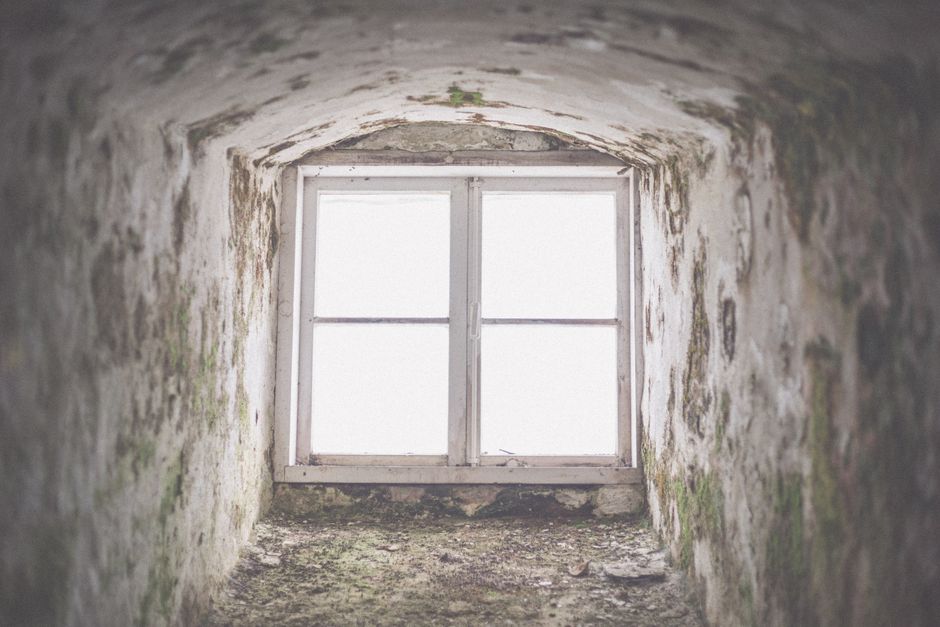
Understanding mold inspection report Portland OR homes receive is crucial for homeowners facing potential mold growth issues. These reports often contain technical terms and detailed findings that can be overwhelming without proper context.
Local mold inspection professionals use specialized equipment to detect hidden mold colonies, moisture sources, and air quality concerns, all of which impact the health and safety of your property. Misinterpreting the inspection results may lead to inadequate remediation or unnecessary expenses.
Homeowners in Portland should be aware of how environmental factors like humidity and building materials influence mold presence. Knowing what each section of the report means helps prioritize repairs and select suitable remediation strategies.
Getting matched with vetted contractors via a can assist in addressing the specific findings detailed in your mold inspection report, ensuring your home stays safe and mold-free.
Why It Matters in Portland, OR
Understanding your mold inspection report in Portland, OR is vital due to the region's high humidity levels and frequent rainfall, which create ideal conditions for mold growth. Portland homes often face challenges from water damage and poor ventilation, increasing the risk of hidden mold infestations.
A detailed inspection report helps homeowners identify affected areas, assess health risks, and plan effective remediation strategies. Being informed empowers Portland residents to protect their property value and ensure a safer living environment.
Key Components of a Mold Inspection Report for Portland, OR Homes
A mold inspection report for Portland, OR homes typically begins with an overview of the property and the scope of the inspection. This section outlines the areas examined, including attics, basements, crawl spaces, and HVAC systems, which are common sites for hidden mold growth.
It also details the inspection methods used, such as visual assessments and air or surface sampling.
The inspection findings section is the core of the report, providing a detailed description of any mold presence detected. This includes the type of mold identified, its location, and estimated extent.
Reports often use terminology like surface mold, airborne spores, or colonies, which are important for understanding the severity of contamination in Portland homes.
Additional Elements Commonly Included
- Moisture levels: Measurements indicating areas of high humidity or water intrusion that contribute to mold growth.
- Photographic evidence: Images documenting visible mold or moisture problems to support the findings.
- Recommendations: Suggested remediation strategies tailored to the specific conditions found in the home.
- Health risk notes: Potential impacts on occupants, especially if allergenic or toxic molds are present.
Understanding these key components within a mold inspection report helps homeowners in Portland assess the condition of their property and plan appropriate responses to address any mold-related concerns.
How to Interpret Mold Test Results and What They Mean for Your Portland Home
Mold test results in Portland, OR typically include detailed data on spore count, mold species, and concentration levels found within the home environment. Understanding these elements helps homeowners evaluate the severity of mold growth and associated health risks.
Elevated spore counts often indicate active mold problems, especially when combined with the presence of allergenic or toxigenic species.
Types of mold identified in the results can range from common outdoor molds to more hazardous indoor varieties like Stachybotrys or Aspergillus. Each type carries different implications for property damage and occupant well-being.
For example, some molds produce mycotoxins that may exacerbate respiratory conditions or trigger allergic reactions in sensitive individuals.
Key Factors in Mold Test Interpretation
- Spore concentration: High indoor counts relative to outdoor samples usually signal an internal source requiring remediation.
- Mold species: Identification of toxic or allergenic molds suggests increased health risks and urgency.
- Sample location: Results from hidden areas like crawl spaces or behind walls reveal potential unseen infestations.
- Humidity levels: Elevated moisture supports ongoing mold growth and influences remediation strategies.
Homeowners looking at mold test results should understand that a single reading is part of a broader assessment. Professional interpretation considers these factors alongside visual inspection findings to recommend appropriate remediation strategies. In Portland’s damp climate, recognizing these details is critical to protecting both property integrity and occupant health.
Pro Tip
When reviewing your mold inspection report for a Portland, OR home, pay close attention to the humidity levels and any indications of hidden mold in areas like crawl spaces. These factors often contribute to persistent mold growth and can inform effective remediation strategies.
Understanding these details helps homeowners prioritize actions that reduce health risks and prevent further water damage.
Steps to Take After Receiving Your Mold Inspection Report in Portland
After reviewing a mold inspection report for a Portland, OR home, homeowners should develop a clear action plan to address identified mold growth and related water damage. The report often highlights areas of concern such as hidden mold in crawl spaces or elevated humidity levels that contribute to ongoing issues.
Understanding these details enables informed decisions about the next steps.
Professional companies in Portland usually recommend prioritizing mold remediation efforts based on the severity and location of the contamination. Homeowners should consider contacting qualified contractors who specialize in mold removal and prevention to obtain estimates and discuss appropriate strategies.
Implementing effective remediation is critical to reducing health risks and preventing further structural damage.
Recommended Next Steps for Homeowners in Portland, OR
- Consult with mold remediation contractors to evaluate treatment options tailored to your home’s specific conditions.
- Address moisture sources identified in the report, such as leaks or poor ventilation, to prevent recurring mold growth.
- Follow up with post-remediation testing to verify that mold levels have returned to safe limits.
- Implement long-term prevention measures, including humidity control and regular inspections, to maintain a healthy indoor environment.
By taking these steps after receiving a mold inspection report, homeowners in Portland can effectively mitigate mold presence, safeguard their property, and protect the health of their household.
Common Mold Issues in Portland Homes and How They Appear in Inspection Reports
Portland, OR's damp climate and frequent rainfall create ideal conditions for mold growth in residential properties. Local mold inspection reports often highlight common mold types such as Cladosporium, Aspergillus, and Stachybotrys, each associated with specific moisture sources and health risks.
These reports typically document visible mold colonies, spore concentrations, and areas with elevated humidity levels that promote fungal proliferation.
Inspection report findings frequently note mold presence in crawl spaces, basements, and around water-damaged walls. Hidden mold is a significant concern in Portland homes, often detected behind drywall or under flooring where chronic moisture intrusion occurs.
Reports may include infrared imagery or moisture readings that pinpoint these concealed growth areas, aiding homeowners in understanding the extent of contamination.
Typical Mold Issues Documented in Portland Inspection Reports
- Water damage-related mold: Often linked to roof leaks, plumbing failures, or flooding events; reports describe affected materials and potential structural impact.
- Crawl space mold: Due to poor ventilation and soil moisture; inspection findings emphasize persistent dampness and recommend remediation strategies.
- Bathroom and kitchen mold: Resulting from inadequate ventilation and high humidity; documented as surface mold or hidden behind fixtures.
- HVAC system contamination: Mold spores accumulating in ducts or filters; noted for potential indoor air quality issues.
Understanding how these common mold issues appear in inspection reports helps homeowners prioritize remediation efforts. Professional reports provide detailed descriptions and evidence that support effective remediation strategies tailored to Portland's unique environmental challenges.
Mold Inspection and Remediation Cost Breakdown for Portland, OR Homes
| Service Type | Cost Range | Typical Timeline |
|---|---|---|
| Visual Mold Inspection | $200 to $600 | 1 to 3 hours |
| Air and Surface Mold Testing | $300 to $800 | 2 to 4 days (including lab analysis) |
| Moisture Assessment | $150 to $500 | 1 to 2 hours |
| Comprehensive Mold Inspection Report Preparation | $100 to $400 | 2 to 5 days |
| Consultation for Remediation Strategies | $100 to $300 | 1 to 2 hours |
Frequently Asked Questions
What information is typically included in a mold inspection report?
A mold inspection report usually contains details on mold presence, identified species, and moisture sources. It highlights affected areas like crawl spaces or walls and recommends remediation strategies based on severity and potential health risks.
How can homeowners in Portland identify hidden mold from the report?
Reports often reveal hidden mold by documenting elevated humidity levels and moisture sources in less visible areas. Homeowners should pay close attention to sections detailing crawl spaces and behind walls where mold growth can remain undetected without thorough inspection.
Why is understanding moisture sources important in mold inspection reports?
Moisture sources are key contributors to mold growth. Identifying leaks, condensation, or high humidity levels helps contractors recommend effective remediation strategies. Ignoring these can lead to persistent mold presence and ongoing health risks.
What should homeowners expect after receiving their mold inspection report?
Homeowners should review detailed findings on mold presence, assess recommended remediation strategies, and prioritize addressing identified moisture sources. Many will seek professional help to ensure thorough removal and prevent future mold growth, especially in humid climates like Portland.
Can a mold inspection report predict future mold problems?
While reports focus on current conditions, they often indicate areas at risk due to persistent high humidity or unresolved moisture sources. This foresight helps homeowners plan preventive measures to reduce future mold growth and minimize potential health risks.
Understanding the details within a mold inspection report empowers homeowners in Portland, OR to make informed decisions about addressing mold growth and associated health risks. Professional evaluations help identify underlying moisture sources and recommend effective remediation strategies tailored to Portland's unique climate challenges.
For those seeking reliable assessments, local Portland mold inspection services typically offer comprehensive analysis and guidance. Get matched with vetted Mold Remediation in Portland, OR via our to connect with qualified contractors ready to assist your home’s needs.